
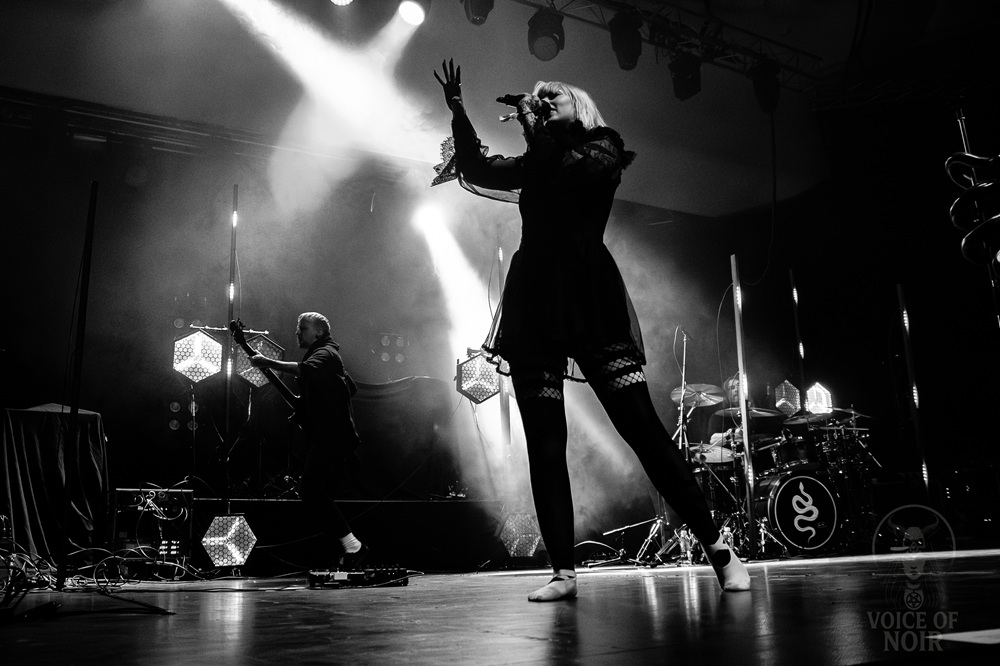
Some performances don’t announce themselves loudly. They arrive with a certain stillness, an undercurrent that suggests something is about to unfold, even before the first note is played.
That was the feeling inside Kulttuuritalo, just moments before Rioghan stepped on stage as support for Grandson. There was a quiet anticipation in the room, something almost intangible. Not chaos, not impatience, but the sense that what was coming would be different. Something more deliberate. More immersive. Not the kind of set you simply watch, but one you step into.
And from the first moments, that promise held.
Rioghan did not rush to command attention, since they didn’t need to. The performance unfolded with a controlled confidence, drawing the audience in rather than demanding it. And yet, at the same time, there was no hesitation. The connection was immediate. The crowd responded: fully, instinctively. Whatever distance usually exists between support act and audience dissolved quickly. This was not a band being discovered cautiously. This was a band being received.
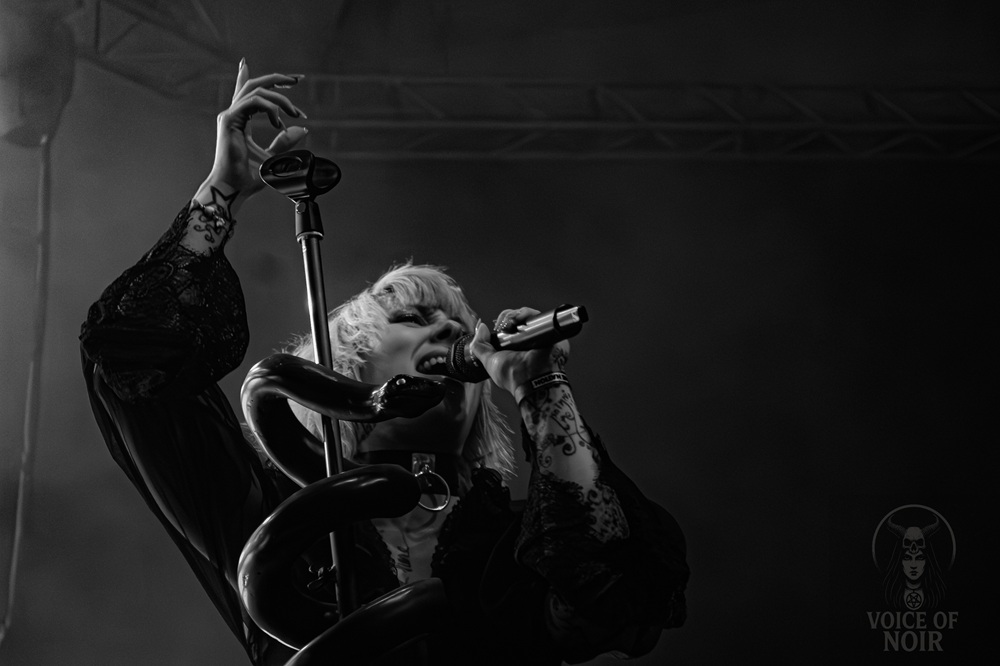
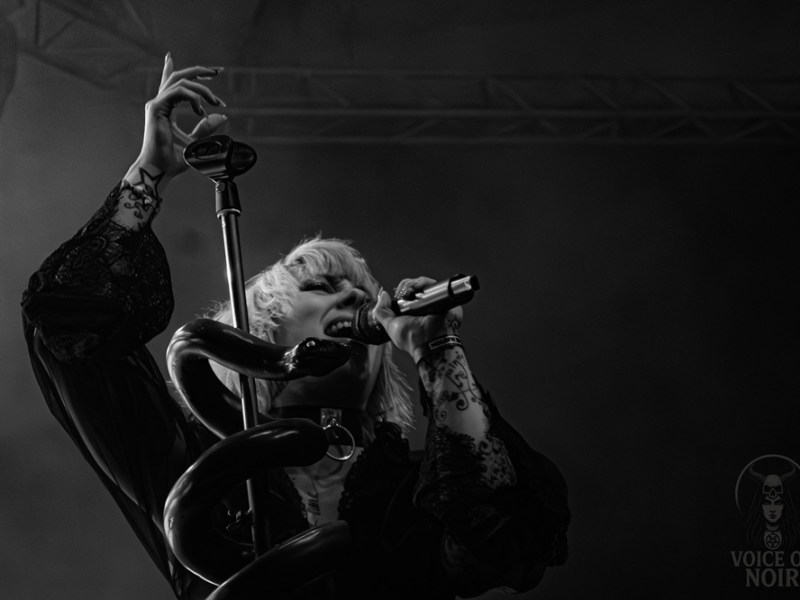
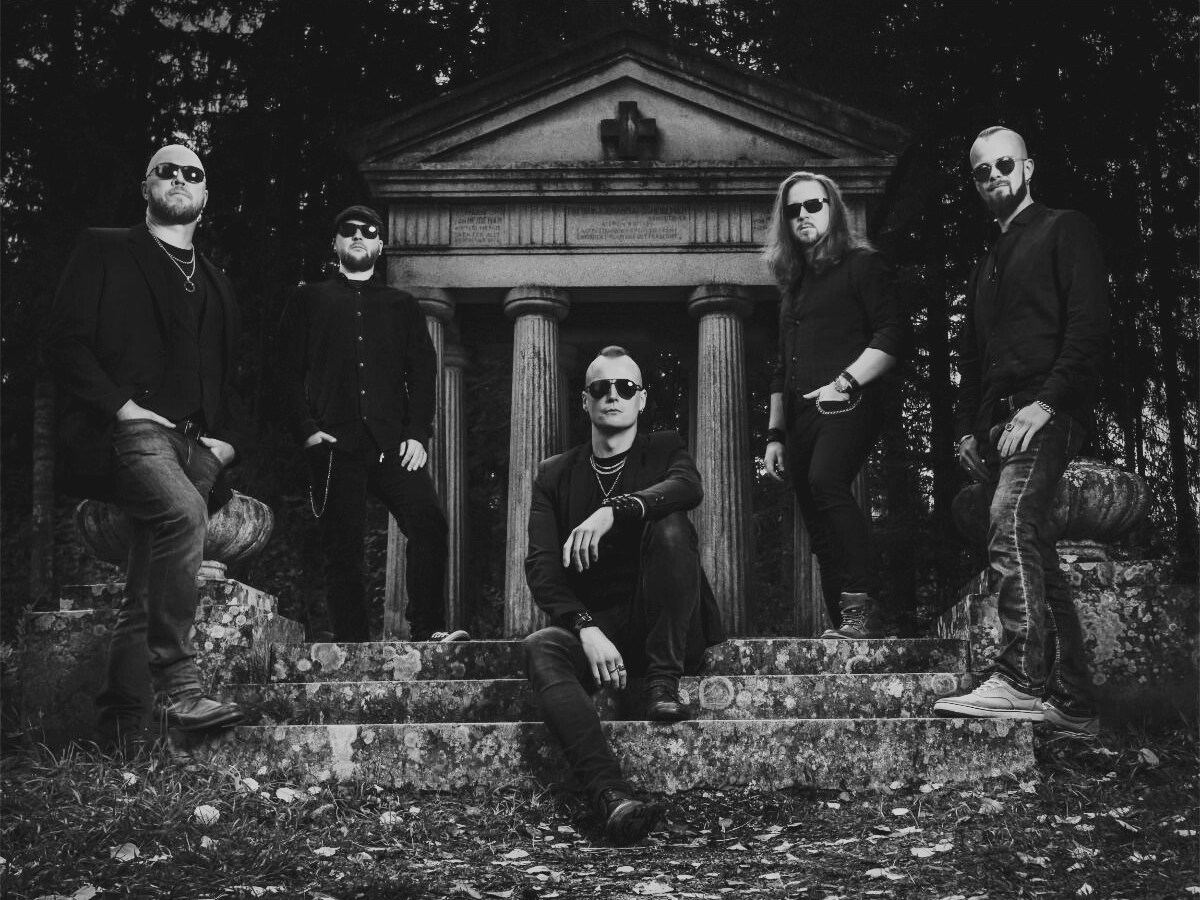
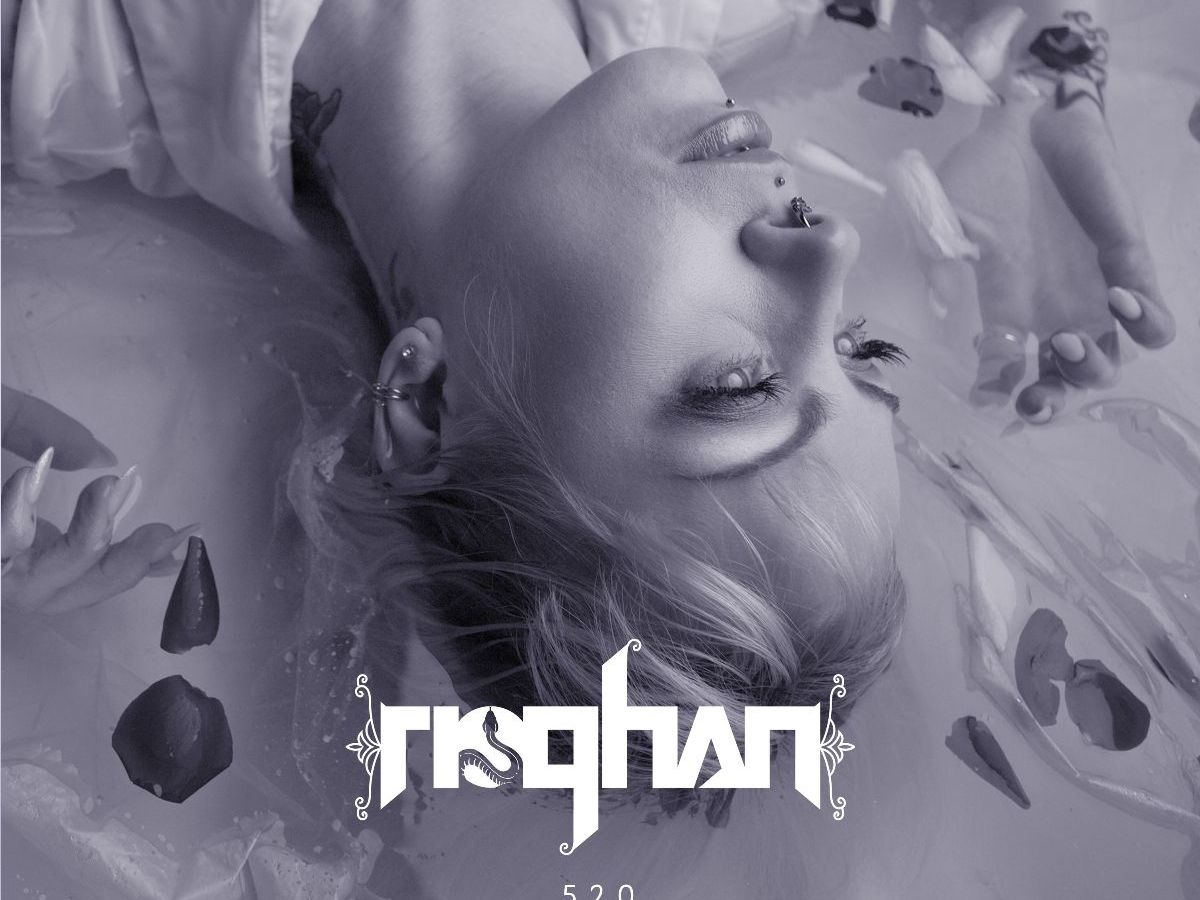
At the center stood Rioghan Darcy: measured, composed, yet carrying a quiet intensity that never broke the surface, but was always there, just beneath. It’s a difficult balance to maintain: restraint without detachment, emotion without excess. And yet, throughout the set, it held. It seemed there was control in every movement, every vocal line, but also something undeniably human pressing through it.
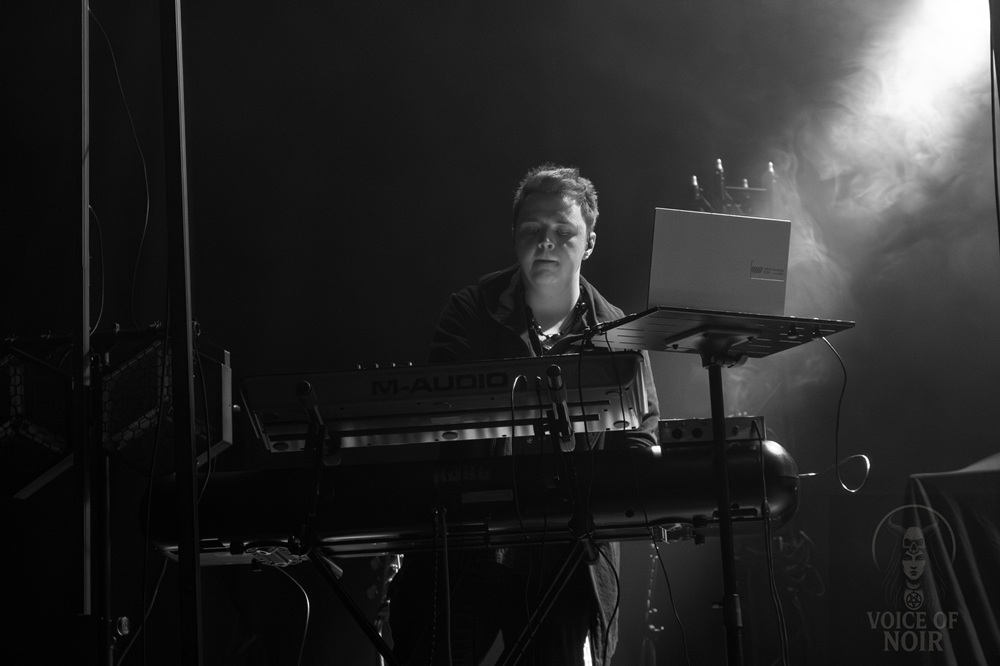
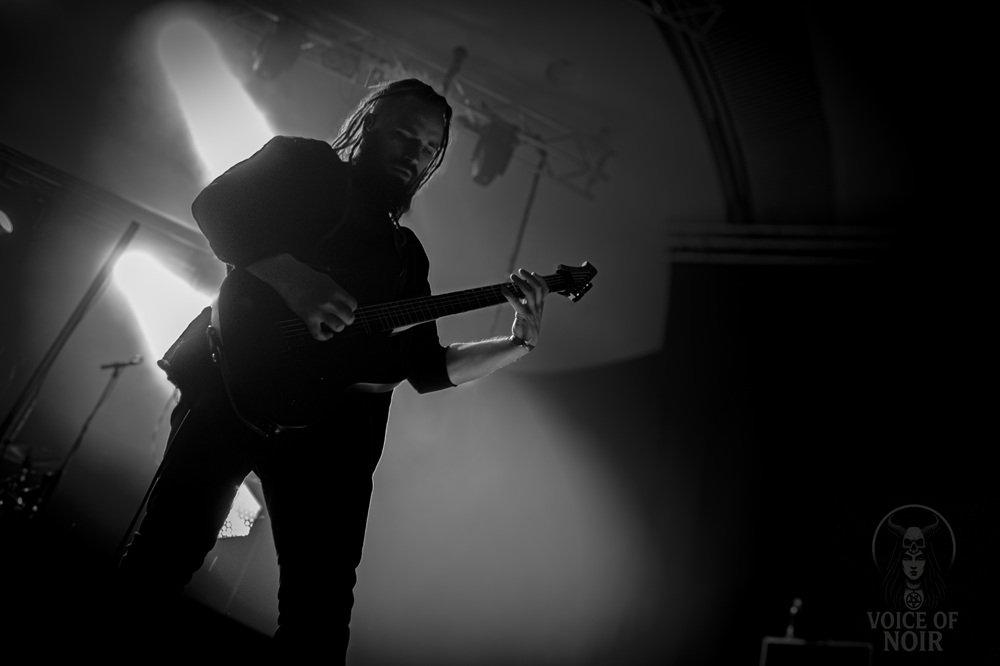
Behind her, the band moved with clarity and purpose. What has been described in conversation as a collaborative, fluid creative process translated seamlessly to the stage. Nothing felt rigid. Nothing felt accidental. Each element, guitars, drums, keys had space to exist, but never at the expense of the whole.
And then there were the visuals.
Too often, lighting is treated as an afterthought, decoration rather than intention. Here, it was neither. The visual design was precise, considered, and deeply integrated into the performance itself. Light did not simply follow the music: it moved with it, shaping the atmosphere, reinforcing tension, and, at times, quietly guiding the audience’s emotional response. It did not overwhelm. It complemented. And in doing so, it elevated the entire set.
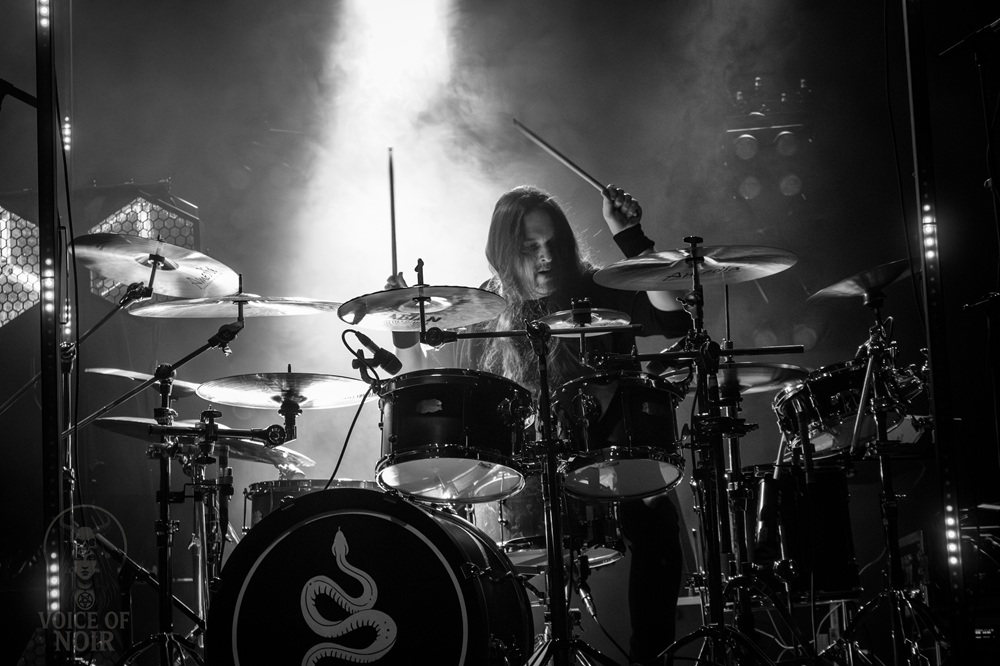
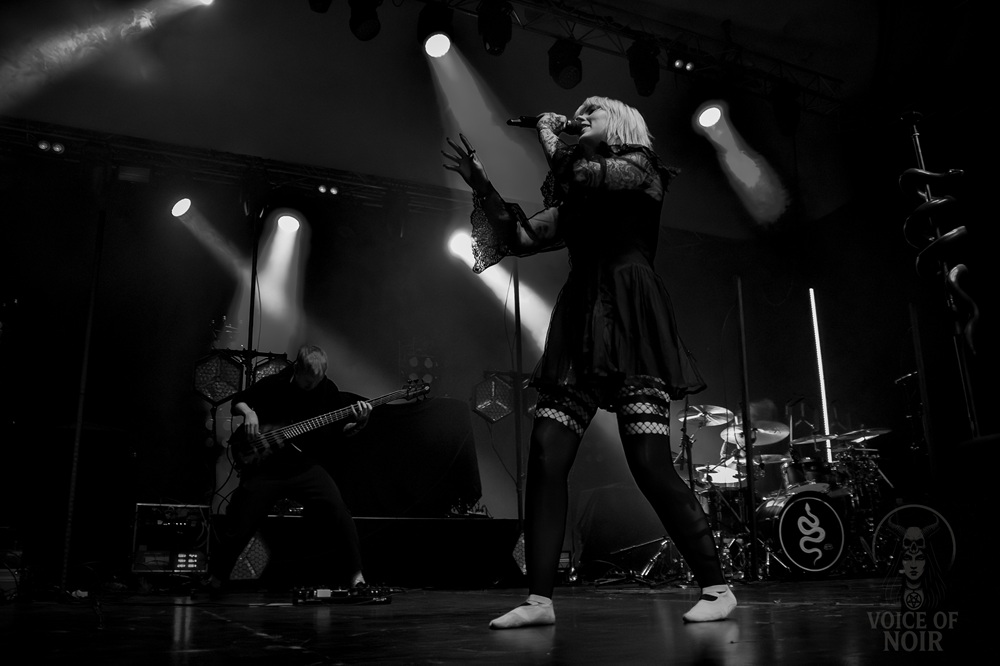
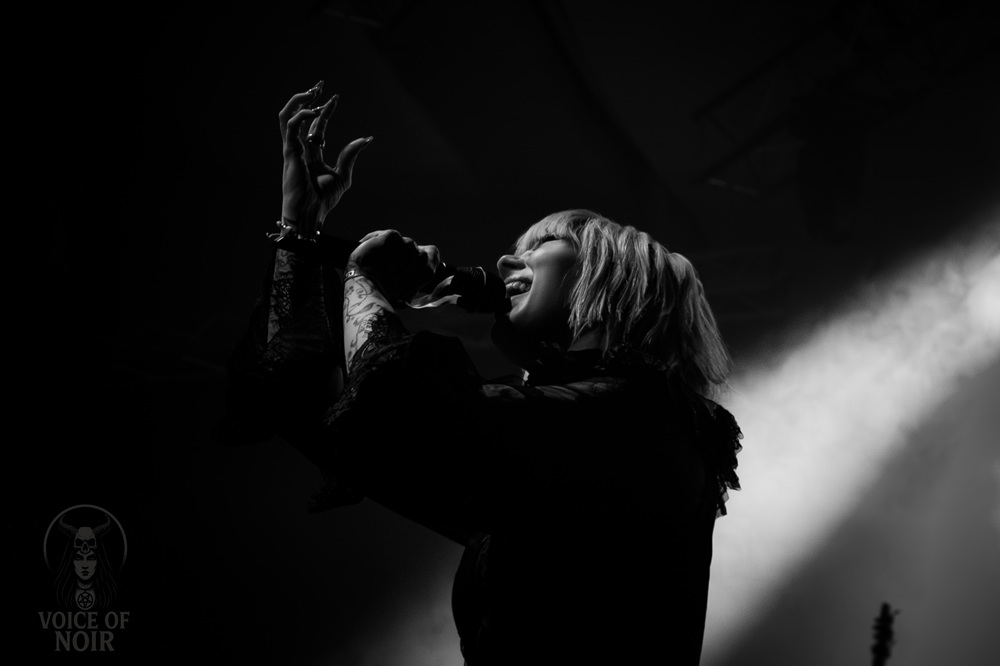
This is where Rioghan separate themselves from many bands at a similar stage: an understanding that sound alone is not enough. That experience is built in layers.
Sonically, the band delivered with confidence. There was no sense of compromise between studio and stage: the material translated naturally, retaining its depth while gaining an added immediacy in the live setting. If anything, the performance suggested something further still: a band growing into their own language in real time.
What becomes increasingly clear—especially when viewed against their earlier work on Kept and the evolving narrative of Frozen—is that Rioghan are not interested in isolated moments. Their music, much like their live presence, exists in continuity. Not just a collection of songs, but something closer to a unified arc. A structure that invites the listener (or in this case, the audience) to follow rather than simply observe.
And perhaps that is what lingered most after the set ended.
Not a single moment, not a single highlight, but a feeling. A sense of having witnessed something still in motion. Still unfolding.
For a support act, this is rare.
Because while Rioghan took the stage as an opening band, what they left behind suggested something else entirely: a band not waiting to be defined by that role, but already moving beyond it.
And if this trajectory holds, it won’t be long before they return to stages like this under very different circumstances.
Not as support.
But as the reason people arrive early.
Written by Ditty
Photos by Péter Tepliczky


 Voice Of Noir
Leave a comment