
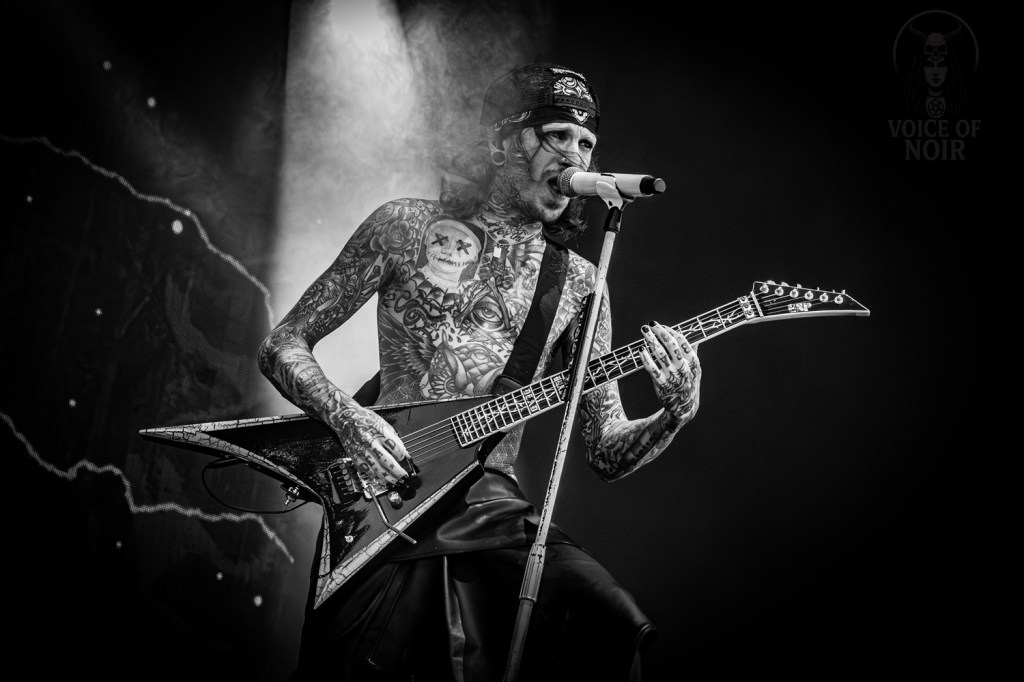
There are festivals you visit because of the lineup, and there are festivals where the location becomes just as much a part of the experience. Ruisrock belongs firmly to the latter.
Held on the island of Ruissalo, just outside the historic city of Turku, Ruisrock offers a very different festival experience from the concrete arenas and city-centre events that dominate much of the European summer calendar. Surrounded by trees, coastline and the Finnish archipelago, it feels distinctly connected to the landscape around it.
And there is history here, too. First organised in 1970, Ruisrock is one of Finland’s most established cultural events, with generations of Finns growing up with the festival as part of their summers. More than five decades later, its ability to bring very different audiences together remains one of its greatest strengths.
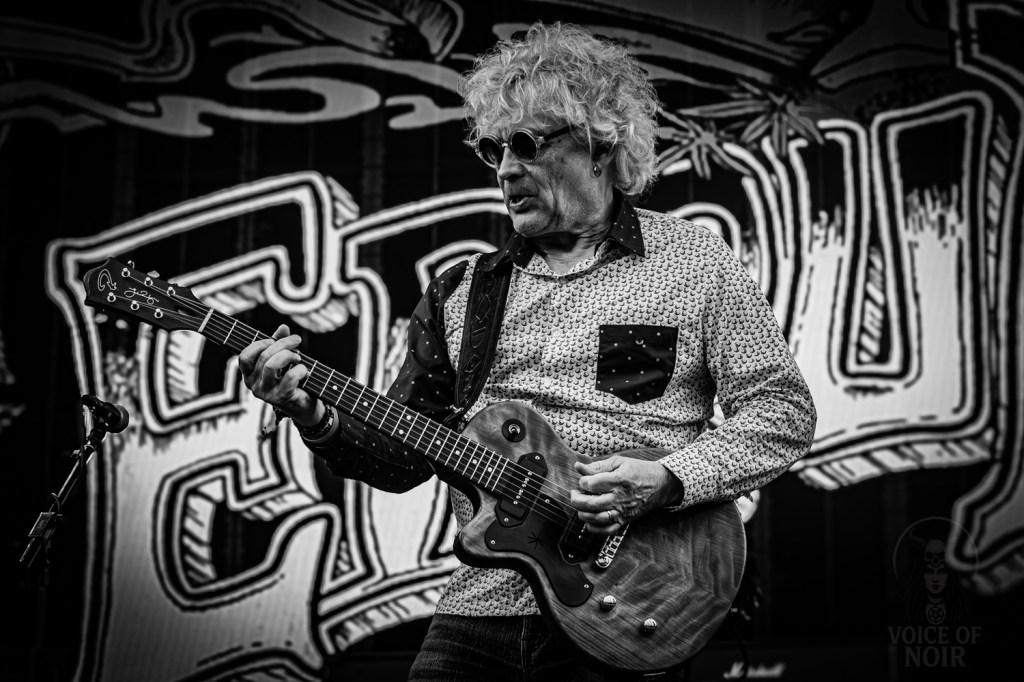
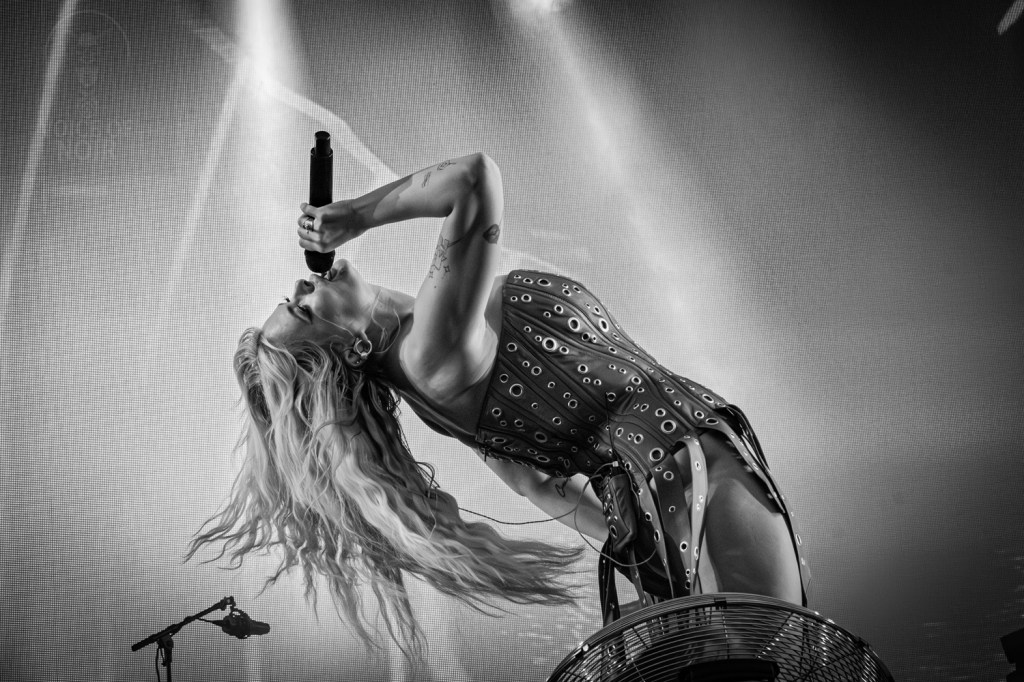
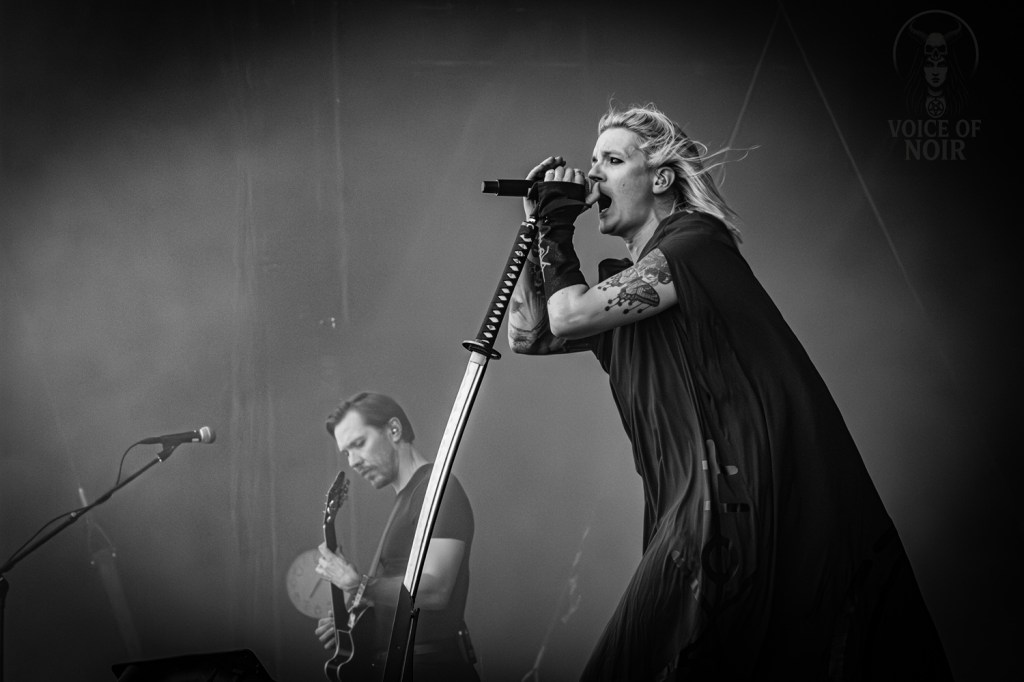
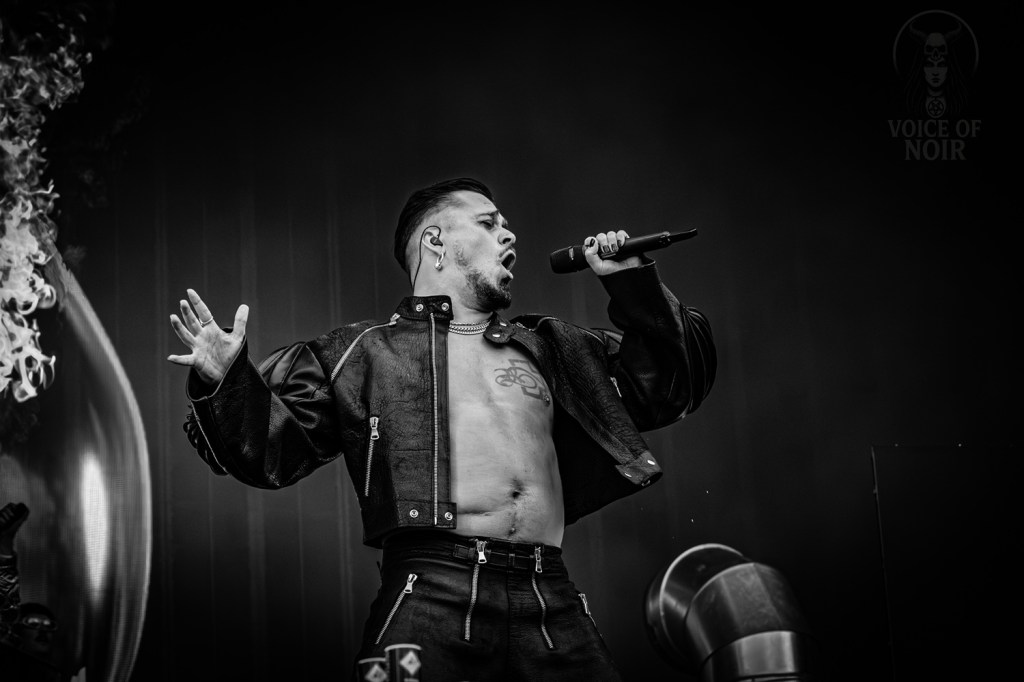
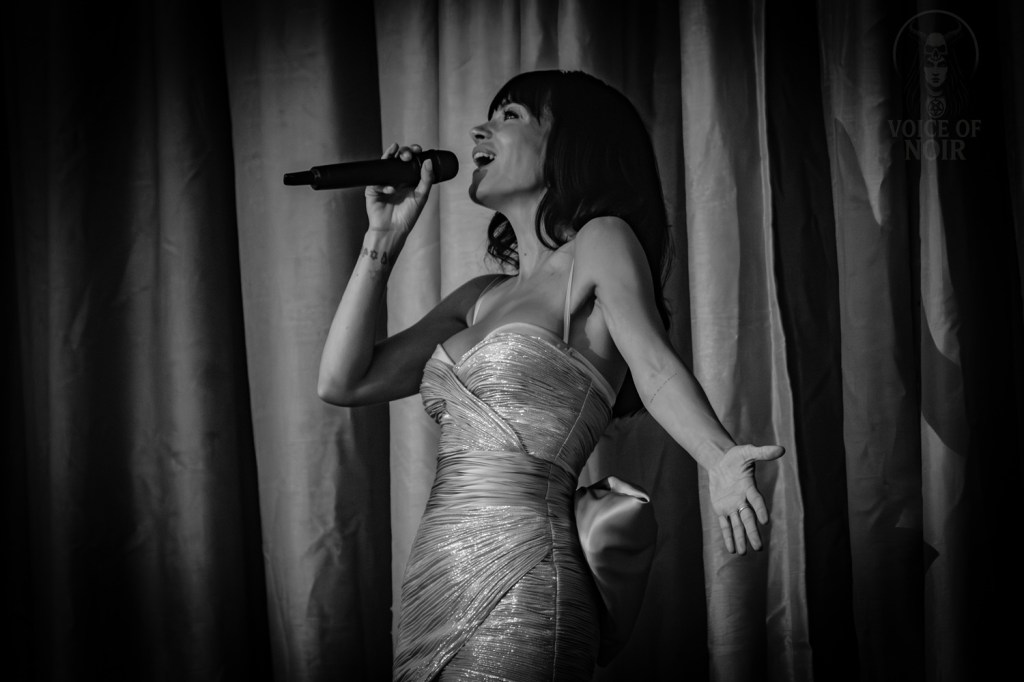
The 2026 edition once again reflected that diversity. International names shared the weekend with artists representing several generations of Finnish music, from established acts to some of the country’s current favourites. Rather than committing itself to a single genre or demographic, Ruisrock embraces the idea of a large-scale summer celebration—and walking around Ruissalo, that atmosphere is impossible to miss.
Our highlight: Electric Callboy
For us, however, there was one clear appointment in the schedule: Electric Callboy.
The German band turned their Ruisrock performance into exactly the kind of party we hoped for. From the beginning, they had the crowd moving, dancing and fully involved in what was happening on stage. Their combination of crushing heaviness, electronic chaos, humour and huge hooks translates exceptionally well to a festival environment, and Ruisrock quickly became one enormous dance floor.
Having seen Electric Callboy at Tuska last year, it was also fascinating to see how much their production has developed in a relatively short period of time. They were already excellent then, but the current version of the show feels considerably more complete.
The band’s visual identity has grown enormously. Everything now feels more carefully considered and detail-oriented, from the stage design and visuals to the way individual songs become part of a larger show. It is colourful, deliberately excessive and unmistakably Electric Callboy, but underneath the chaos there is clearly a great deal of thought behind how everything fits together.
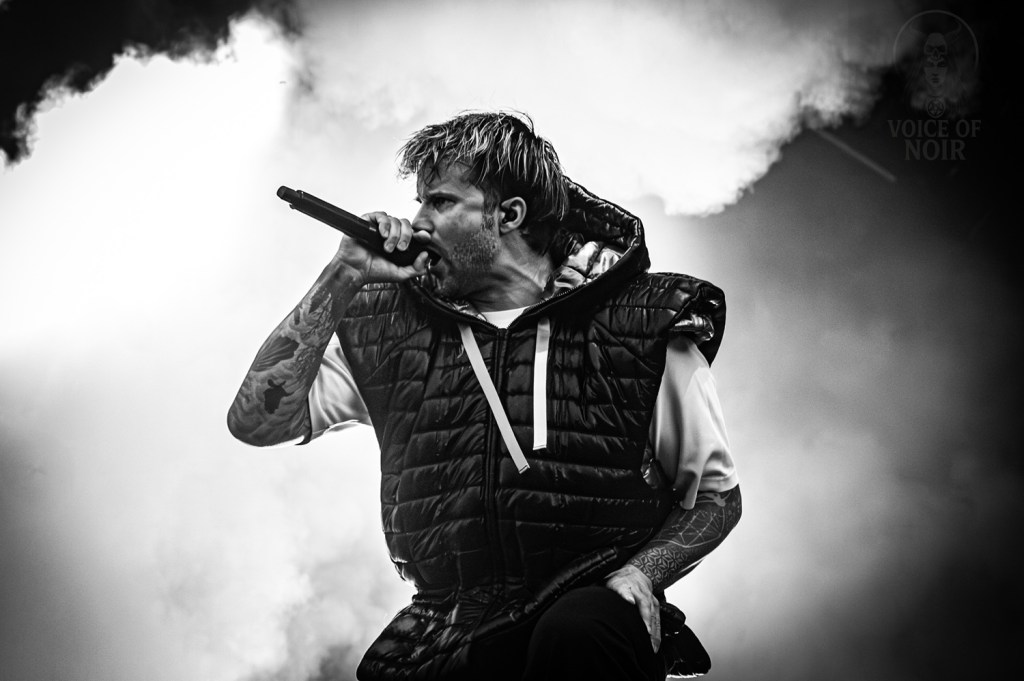

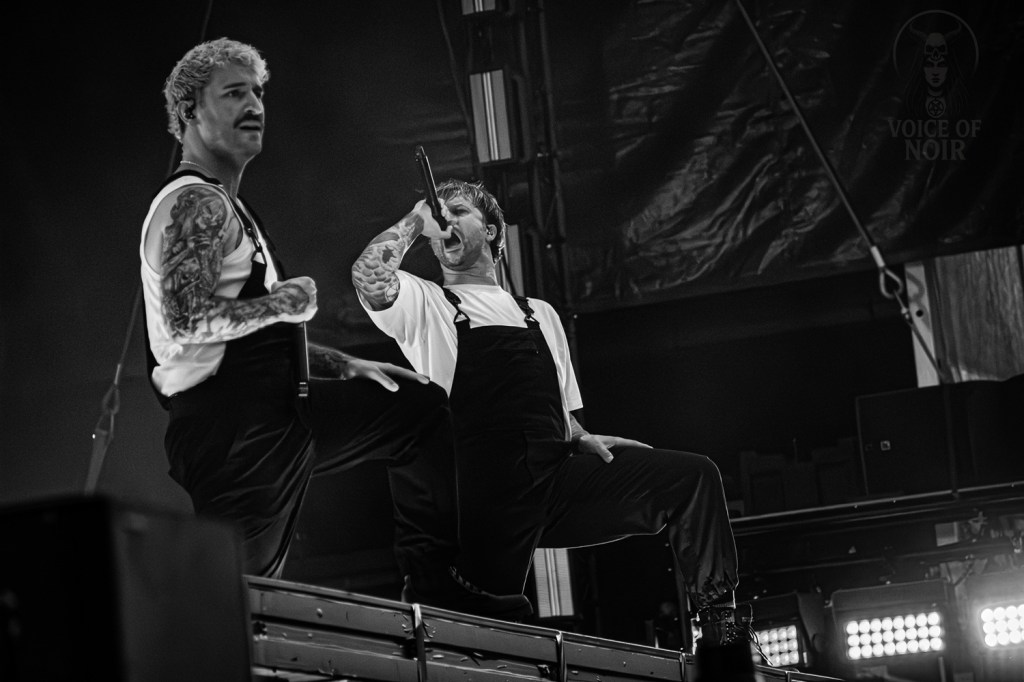
What impressed us even more was that the increased production has not come at the expense of the connection between the band and the audience.
That balance can be surprisingly difficult to achieve. When a live production becomes bigger and more technically complex, there is always a risk that the musicians disappear behind the screens, effects and carefully planned moments. At Ruisrock, the opposite happened. Electric Callboy’s upgraded show gave the performance an even bigger visual impact while the band remained completely present, constantly interacting with the crowd and making thousands of people feel like participants rather than spectators.
It was polished without feeling distant, spectacular without becoming impersonal—and, most importantly, it was simply an incredibly good party.
More than a festival weekend
Ruisrock also demonstrates why Finland works so well as a summer festival destination. From Helsinki, Turku can be reached in roughly two hours, yet the atmosphere feels completely different. A festival trip here can easily become something larger: time in one of Finland’s oldest cities, the landscapes of the Finnish archipelago and a weekend of live music can all become part of the same journey.
Ruissalo itself plays an important role in that experience. There is something uniquely Finnish about moving between huge festival stages while remaining surrounded by nature and the sea. During the long Nordic summer days, the setting creates an atmosphere that would be difficult to reproduce anywhere else.
After more than half a century, Ruisrock does not survive simply because of its history. It continues because it understands what a summer festival should feel like: music, people, nature and a temporary world where, for one weekend, everything else can wait.
Photos: Péter Tepliczky




Leave a comment